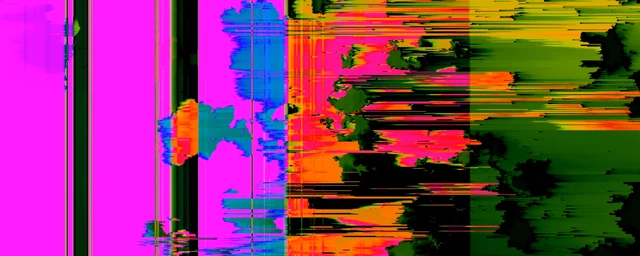
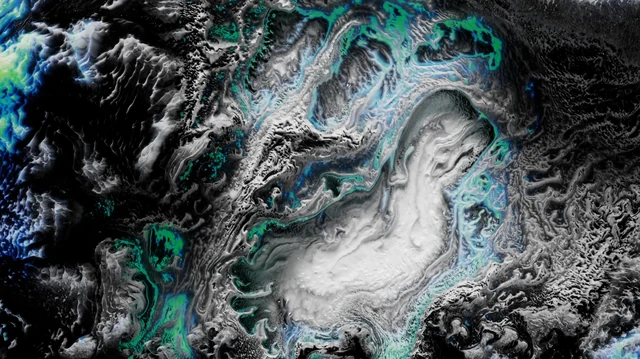
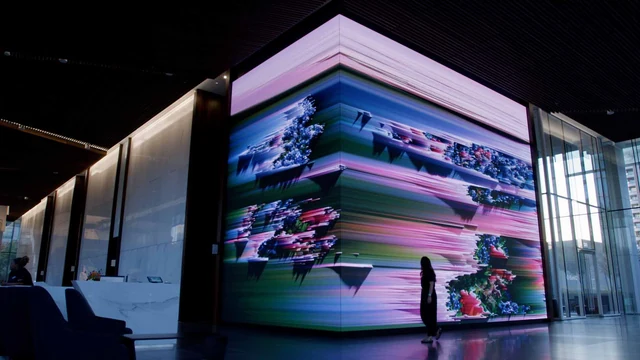
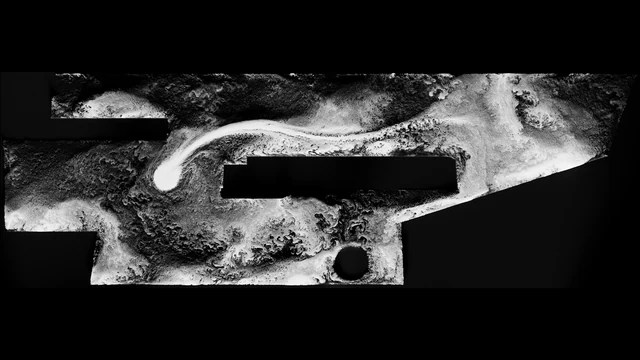
MotionCOPs grew out of the missing operations I kept encountering in real Copernicus work. Each node began as something I needed in production, then was generalized, named consistently, documented, and packaged so the same workflow could be reused by other artists.
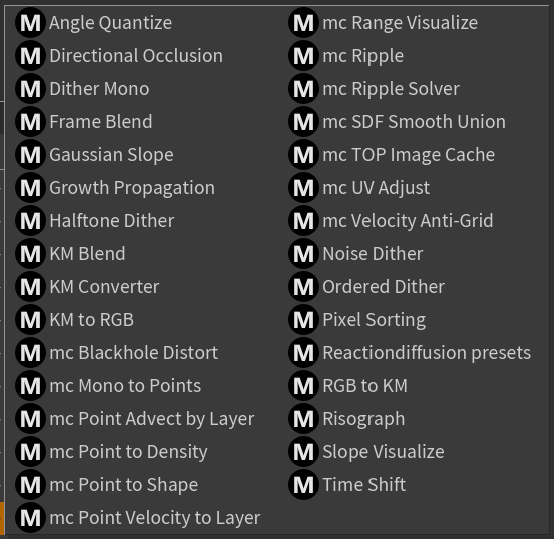
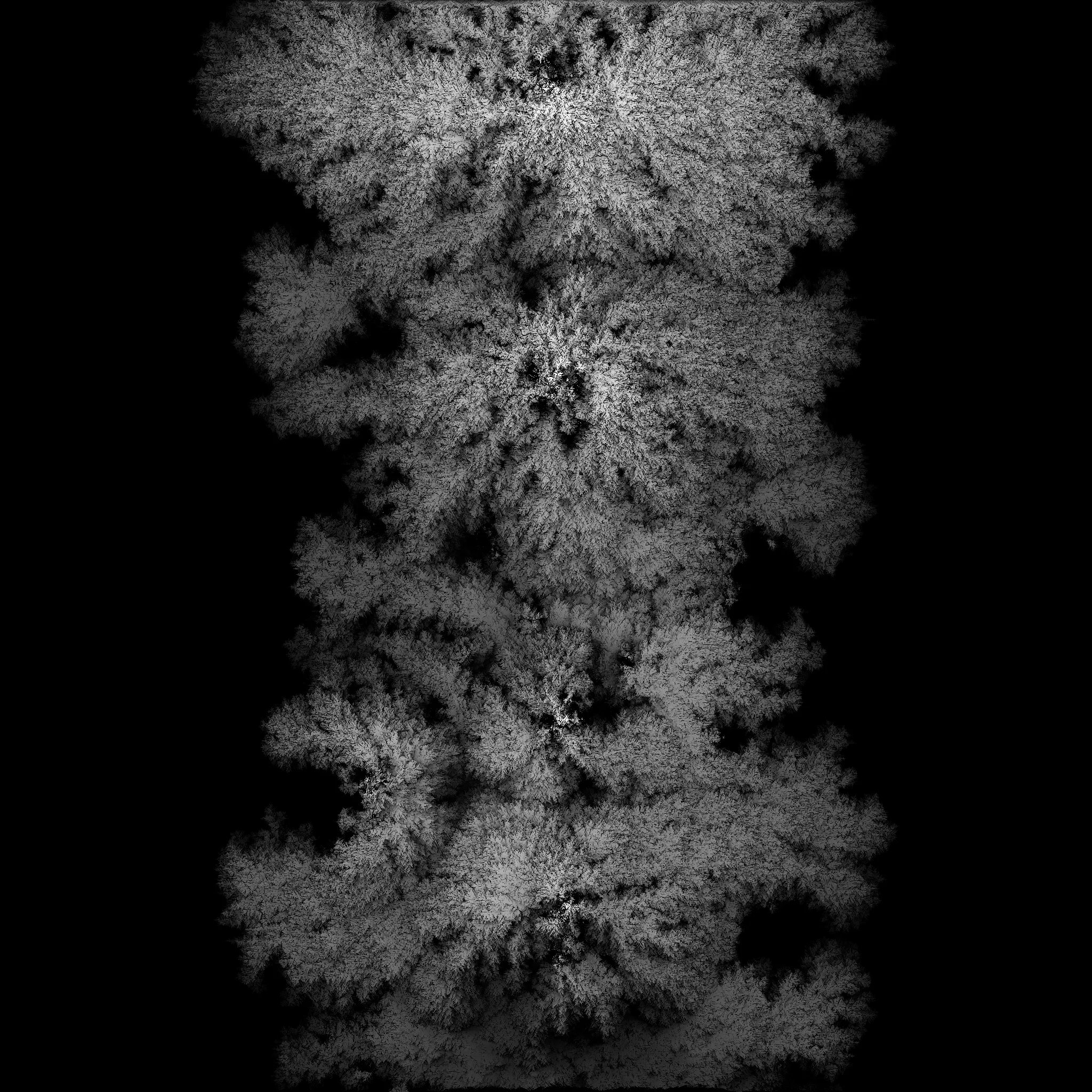
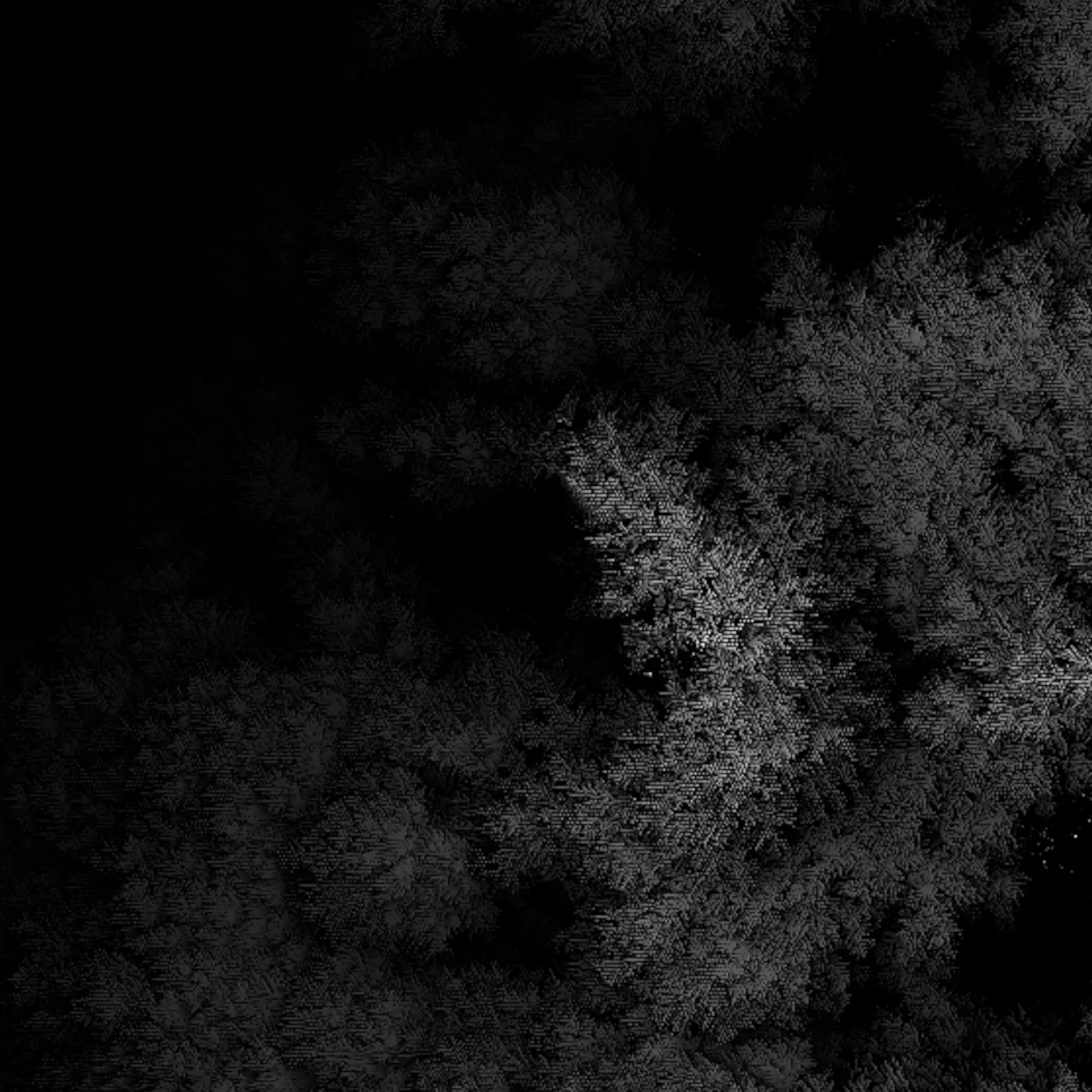
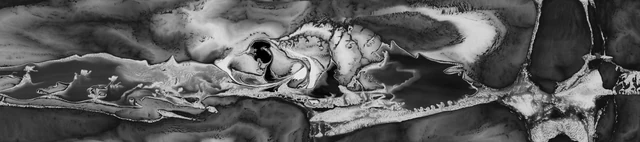
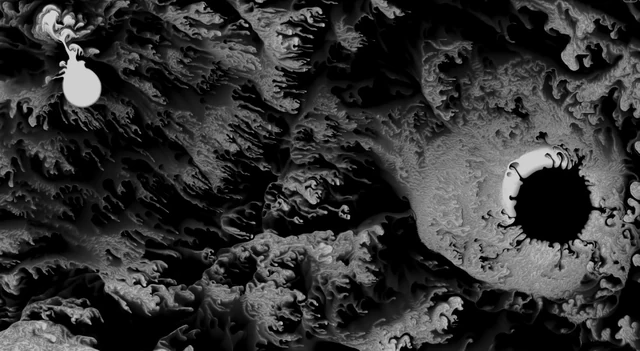
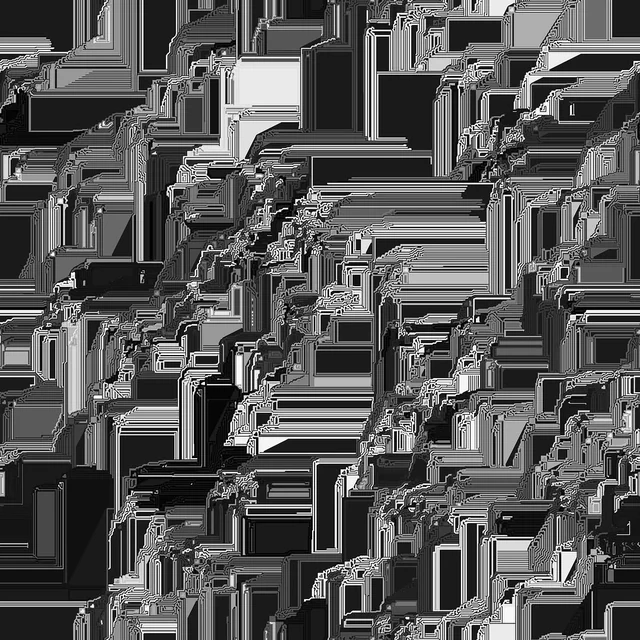
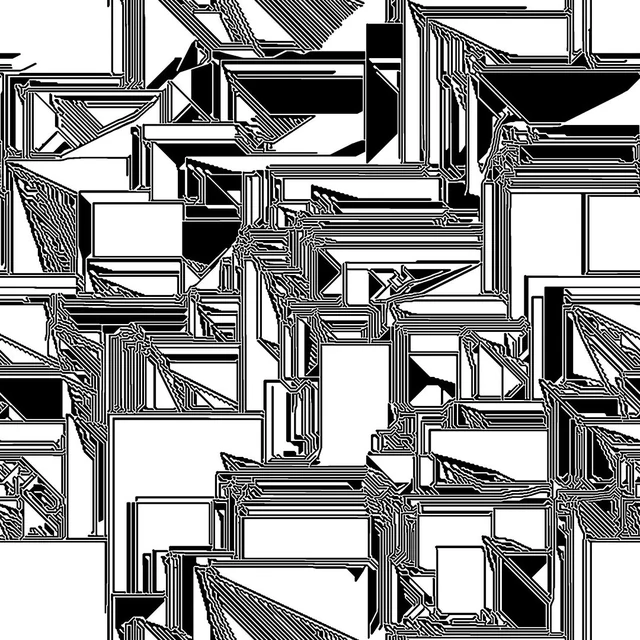
The toolkit now spans more than thirty nodes: organic growth and ripple solvers, dithering and risograph processes, SDF and image analysis, pixel sorting and distortion, point-to-layer bridges, time and cache utilities, and Kubelka–Munk color mixing. Custom shader design and procedural shader networks connect these operations, turning simulation fields and color processing into reusable controls for texturing and look development.
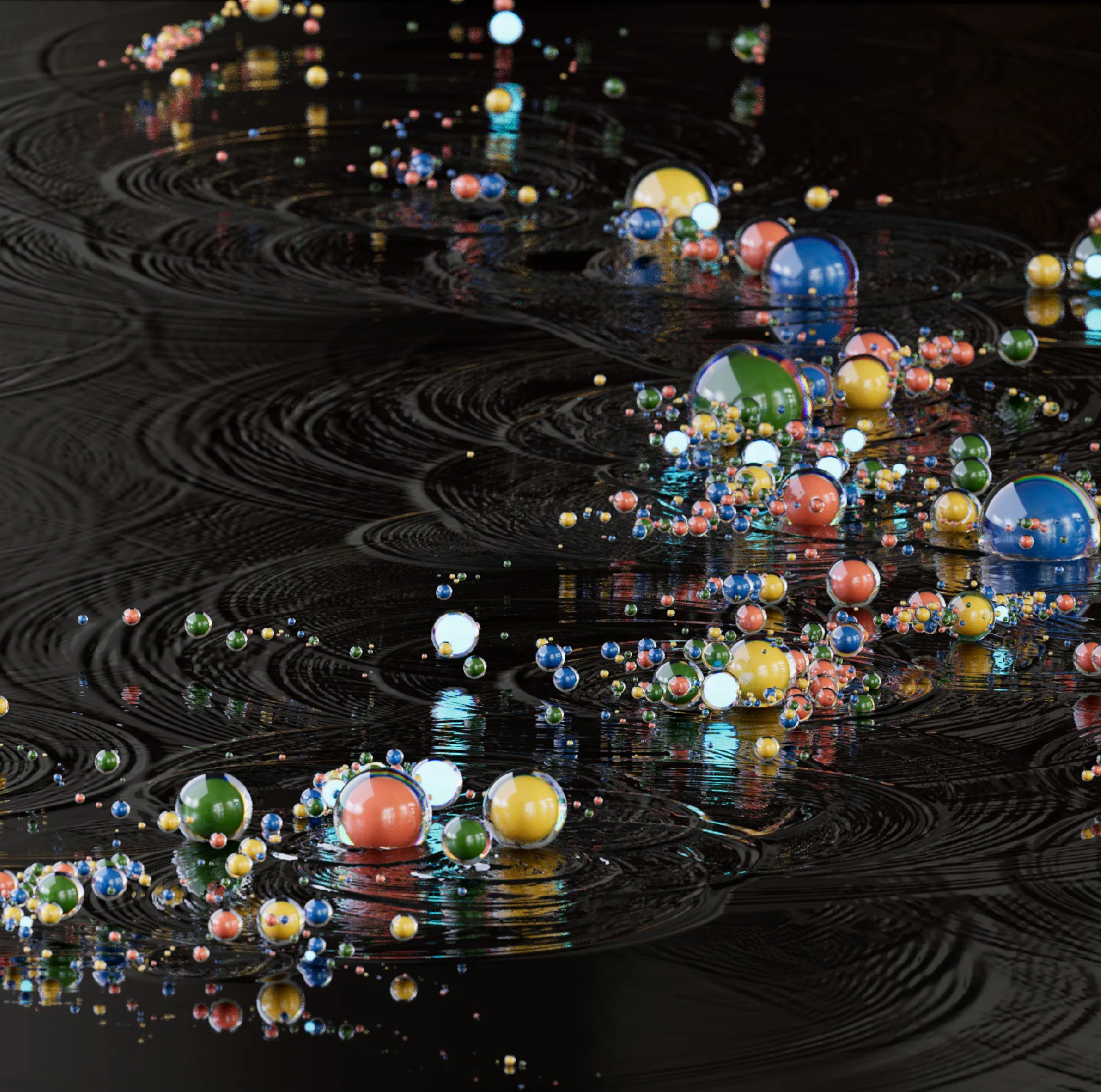
I use these tools in production sequences spanning thousands of frames and in Houdini setups with thousands of nodes, including 100+ nodes in the fluid subsystem alone. Iteration speed, compute cost, memory use, and graph responsiveness are practical design constraints for these GPU/OpenCL workflows.
I created and maintain the package, including tool design, Houdini implementation, production testing, documentation, release packaging, and compatibility across Houdini 21 and 22. The public repository remains the source for installation instructions, releases, and the complete node catalog.
Many of the technical notes on this site were written while these tools were taking shape. The articles below preserve the smaller experiments behind individual MotionCOPs nodes—from color mixing and GPU particle transport to wave simulation and SDF-driven distortion—so the toolkit and the thinking around it can be followed in both directions.
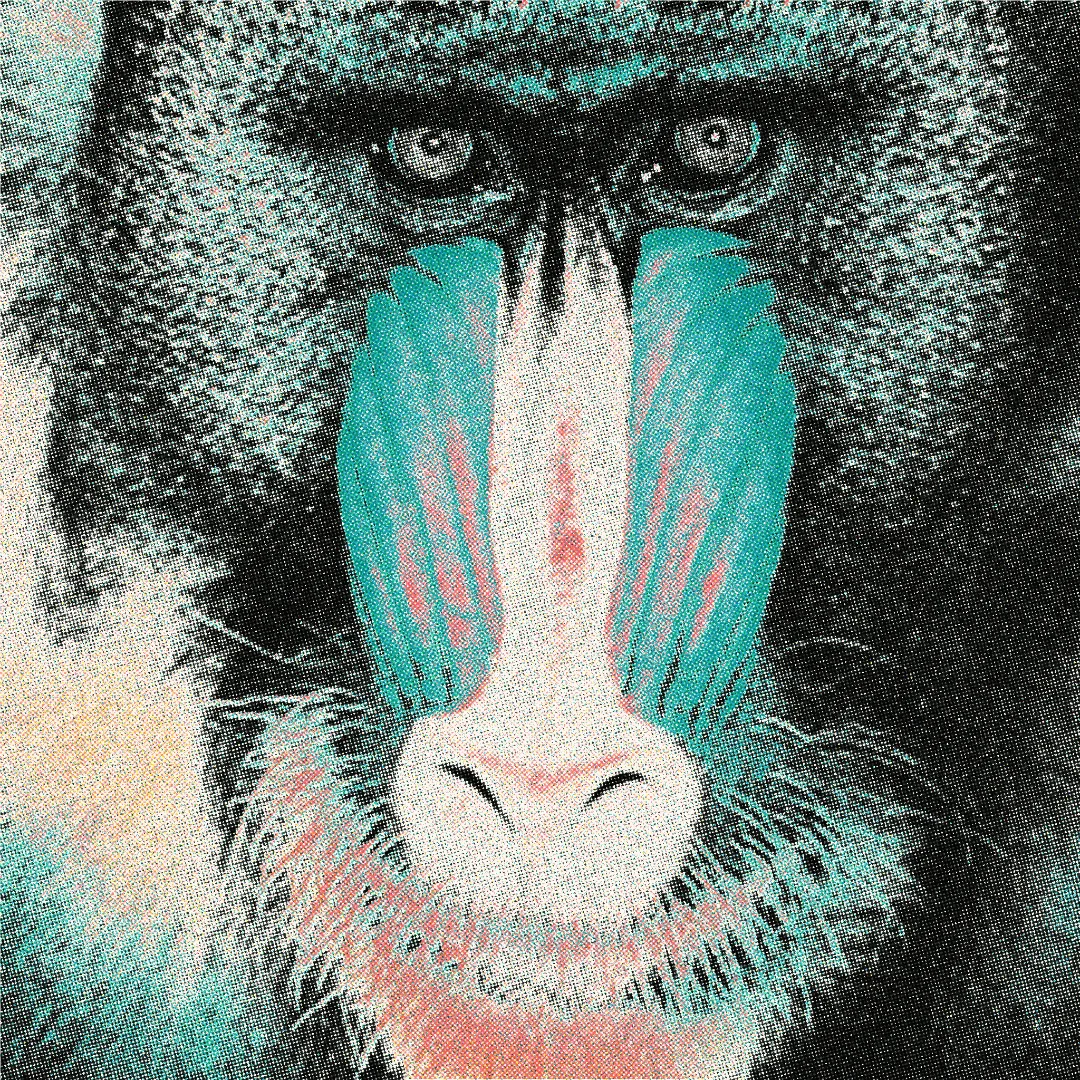
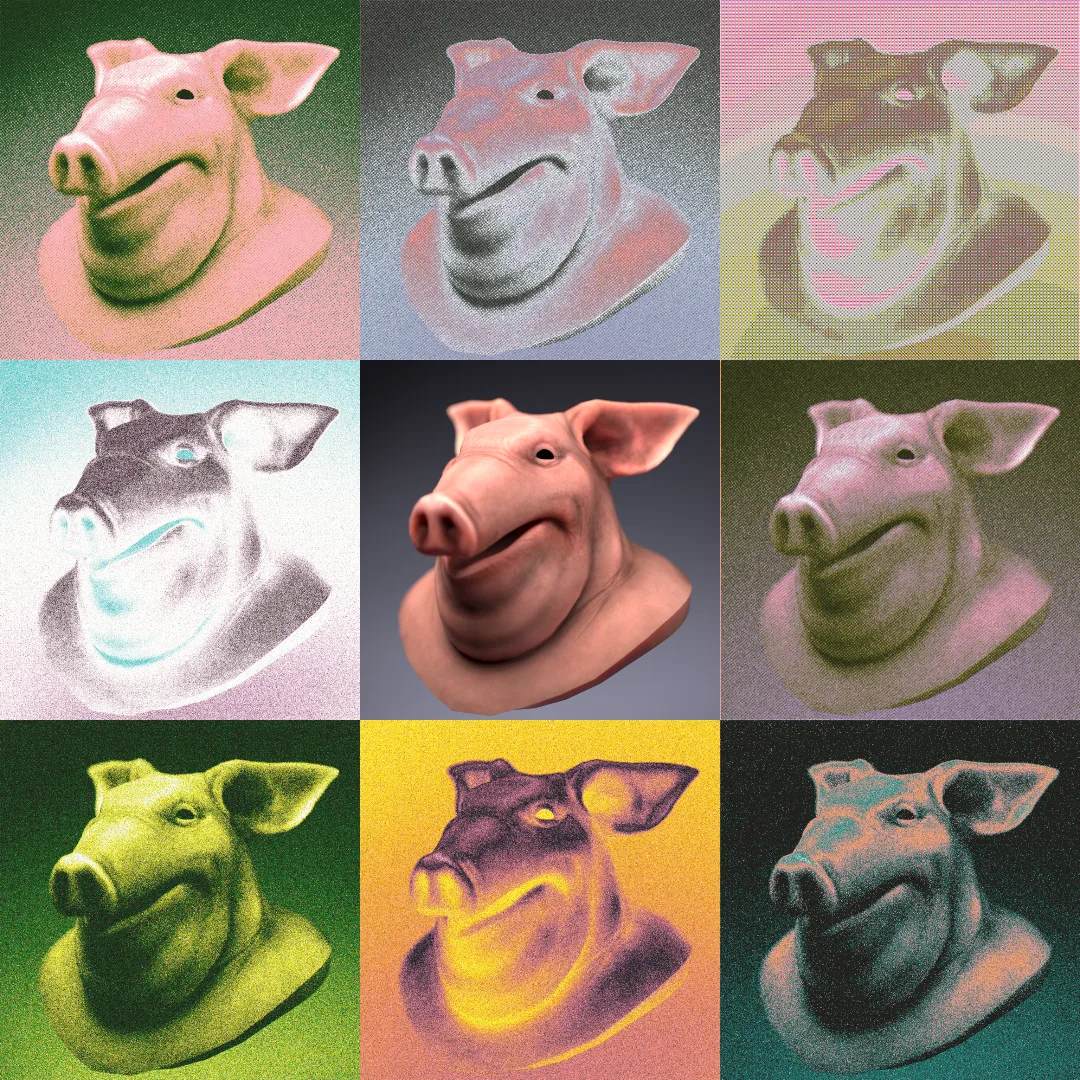
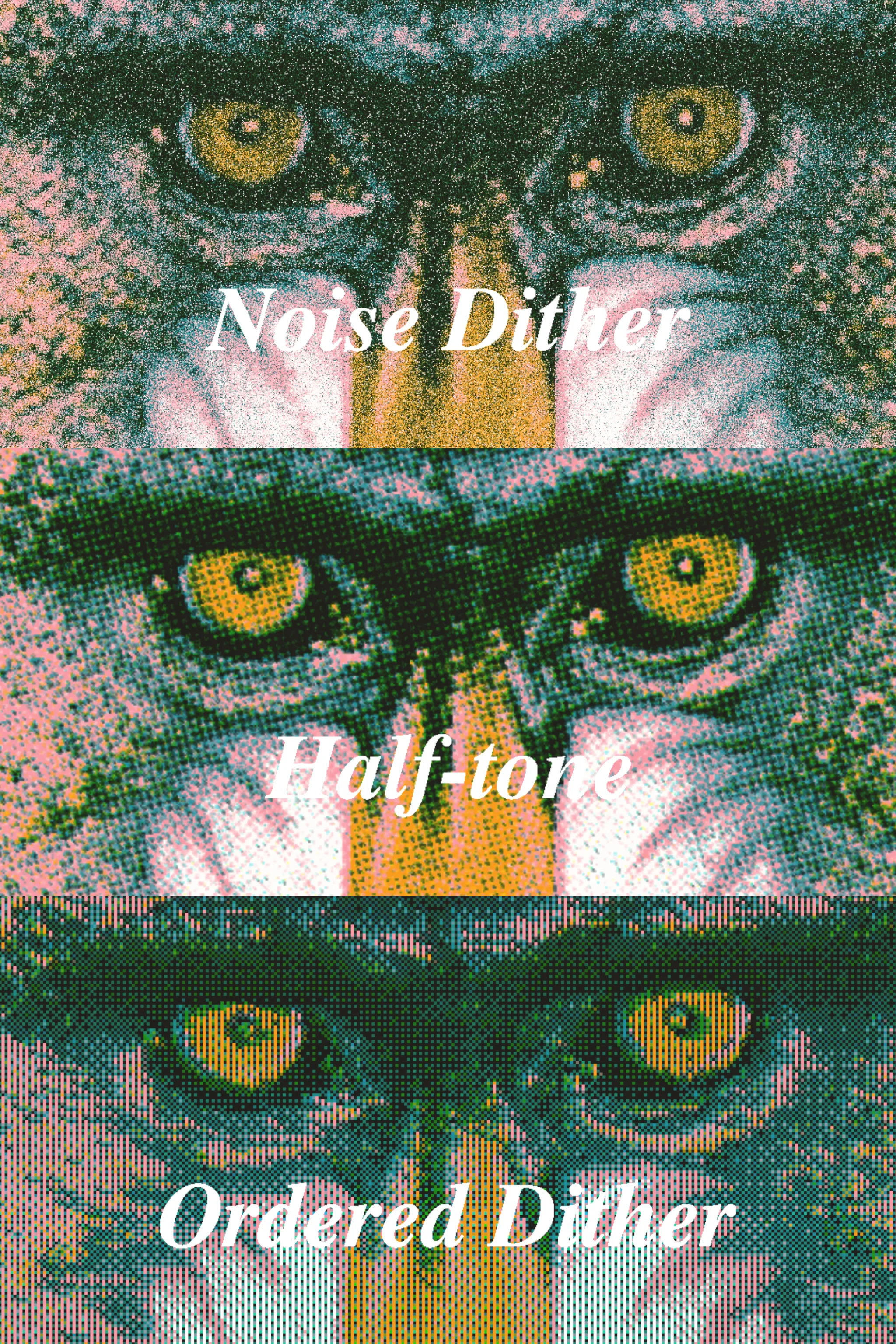
Ink decomposition, layered dithering, Kubelka–Munk color mixing, and the design trade-offs behind the Risograph tools.
Moving geometry through image-space velocity fields with OpenCL, then rasterizing the particles back into Copernicus layers.
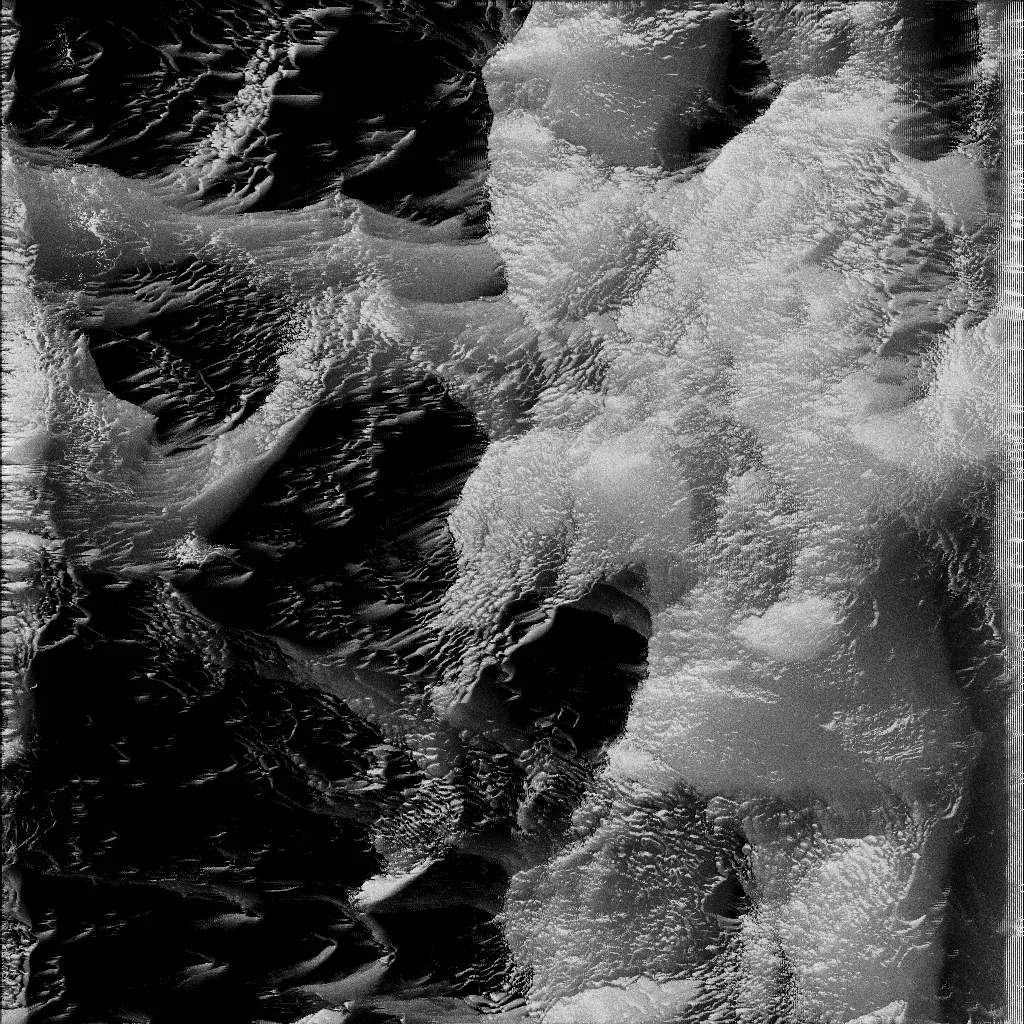
A compact 2D wave-equation solver, including double buffering, damping, writeback, and iteration stability.
SDF gradients turned into controllable UV offsets for gravitational-lensing-style image distortion.